

Mission
My mission at System C was to help the NHS at scale by joining up records across care sectors that had always worked in silos. Bringing primary, secondary, community and social care data together meant we could meet patients where they are.
That supported a bigger shift. Care could move away from its focus on acute hospitals so that treatment, prevention and coordination happen in the community. In hospitals and clinics it freed clinicians to care for patients at the bedside instead of pushing carts of computers between beds. Behind the scenes we moved our products from on-site, capital-heavy infrastructure to modern continuous delivery and deployment.
Context
From 2015 to 2017 I was Product Director at System C Healthcare. I was responsible for three electronic health record products (Medway, CareFlow and Graphnet) serving more than 300,000 users, with P&L for multi-million-pound product lines.
System CAcquisition of The Learning ClinicAcquisition of CareFlow
What the real problem was
System C supported a wide range of NHS services across secondary, primary, community and social care. Each had its own workflows, governance and buyers. It was a complex B2B enterprise problem. We had to win new business through long procurement cycles while still meeting the needs of existing customers who ran our products every day.
At the same time, clinical work was moving away from the desk. Clinicians and nurses needed patient data in their hands, not on a cart.
What happened
The job was transforming an established healthcare portfolio. It came down to three moves.
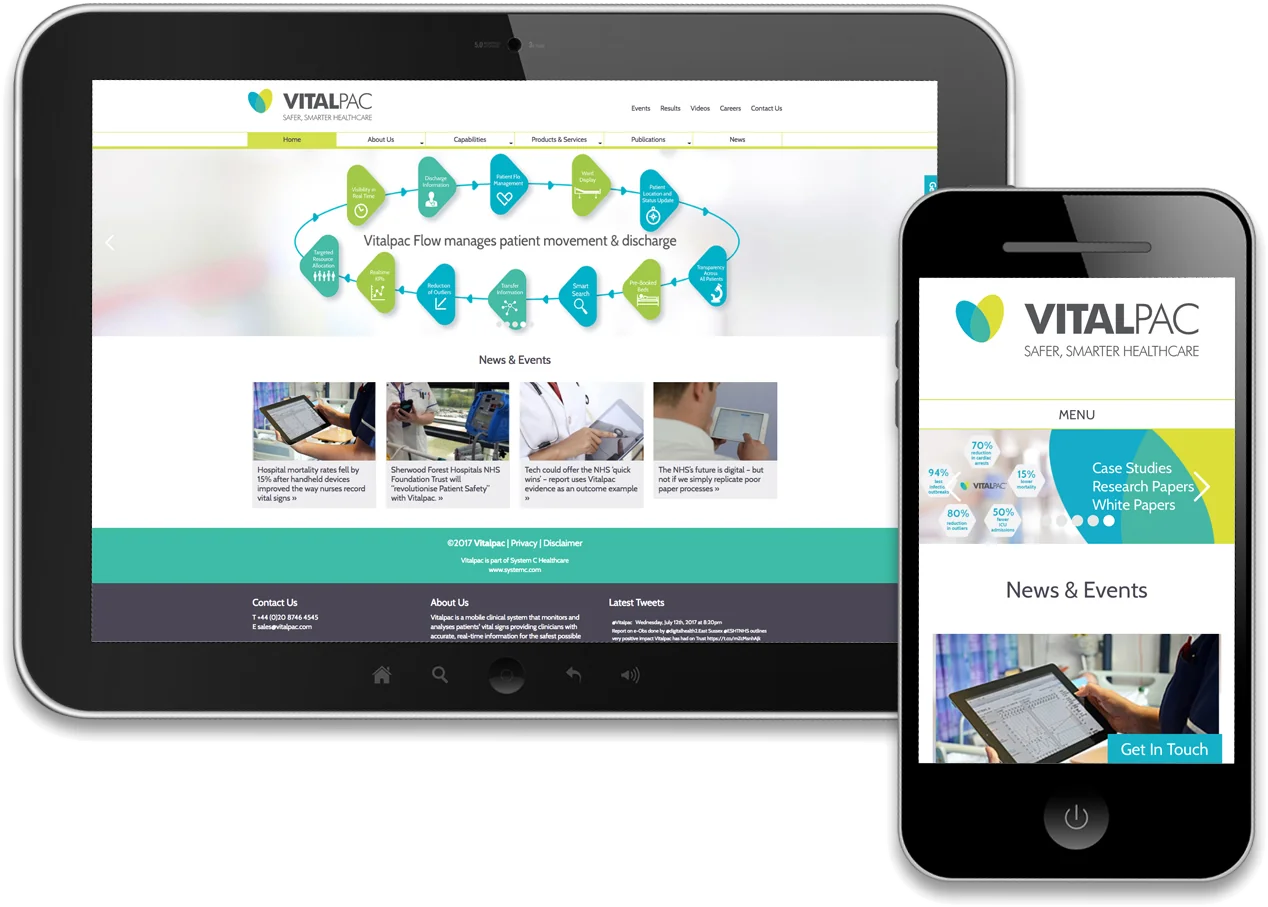
1. Clinical information at the bedside. I led the acquisition and integration of two mobile health products, VitalPak and CareFlow. They brought patient data to clinicians and nurses where care happens. Clinicians could make decisions at the bedside instead of waiting to get back to a desk, which prevented delays in care.
2. Connected care across settings. I launched an electronic prescribing product across multiple health systems. It connected to the NHS Spine and integrated with e-prescribing services. Together with mobile access, it saved hundreds of clinical hours in documentation.
3. Modernising how software was delivered. I led the roadmap for re-architecting our infrastructure and products on Microsoft Azure. The goal was rapid deployment, continuous integration and simpler maintenance.
Scale. I managed nine product managers and coordinated more than 200 engineering, design and specialist roles at one of the largest UK-based healthcare software providers. The portfolio delivered more than £10M in additional revenue year on year.
3 products · 300k+ users · 9 product managers · 200+ delivery roles · multi-million-pound P&L
What I would do differently
The hardest part of the role was balancing customer demand, sales demand and a technical roadmap to modernise the portfolio. In the end we invested in modernisation. It would make deployment and sales cycles faster. It would also let us bring new propositions into the portfolio and support cross-selling across the business.
Given the chance again, I would make the same decision. What I would change is how closely we worked with customers through it. I’d explain earlier and more directly why some things were delayed and what they would gain as a result.